
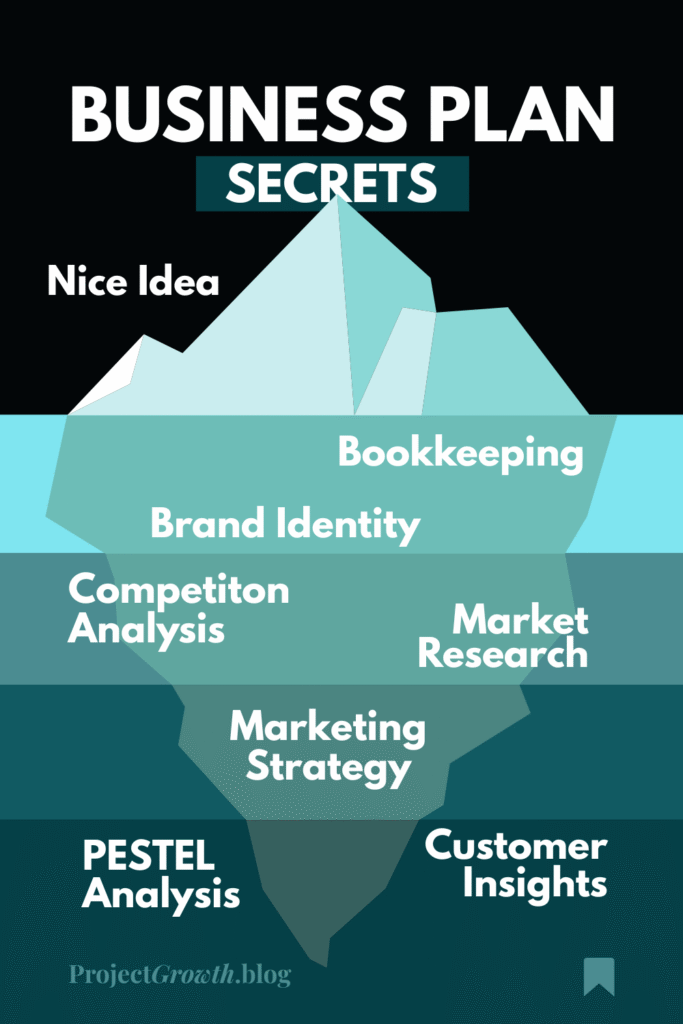
When we think of business plan, we often imagine boardrooms, multi-page documents, and high-stakes investors.
But the truth is, every project (no matter how small) deserves a business plan. Whether you’re launching a digital product, starting a side hustle, or testing a new service idea, taking time to plan is what turns scattered thoughts into sustainable results.
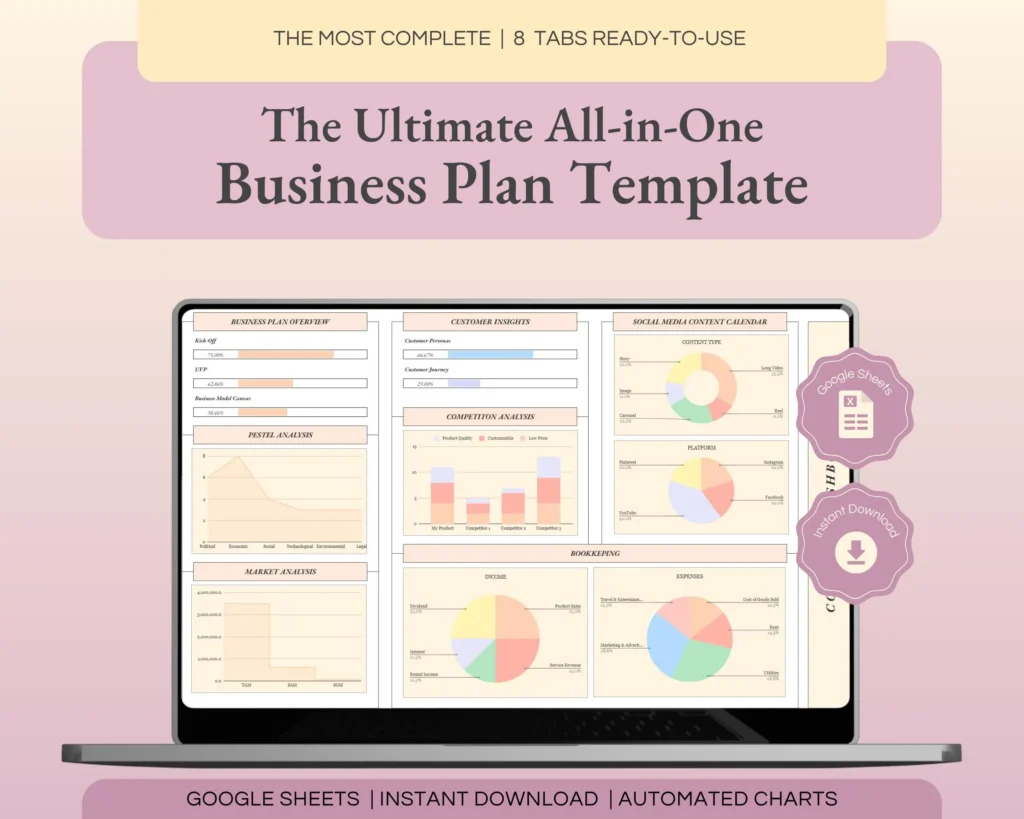
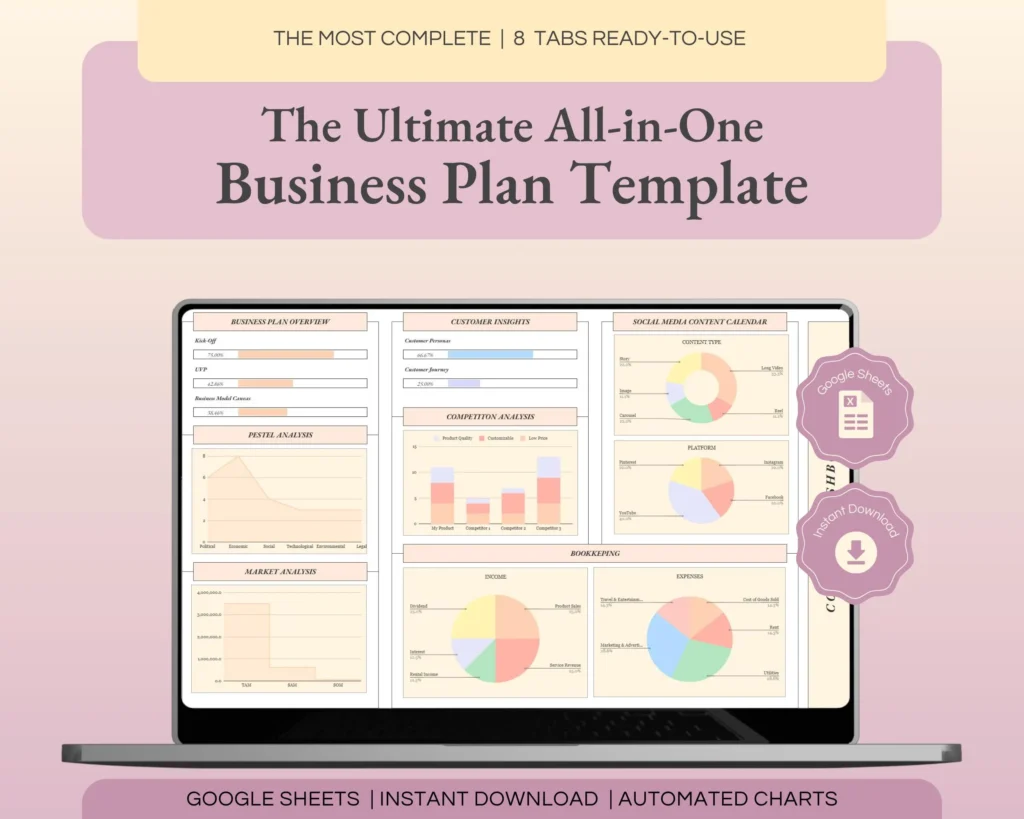
To see all the sections you will need for your personal business plan, we will use the pages of this business plan template for Google Sheets that I personally developed.
(If you’re interested in taking a look, just click on the image below)
💡 Free Resource for Readers:
Want to start your business plan without the blank-page struggle?
Grab my Best Free ChatGPT Prompts for Business Plan — 15+ expert AI prompts covering every section of a winning business plan.
📥 Get Instant Free Download (no cost, instant access)
Small Project, Big Vision
You might be starting with just an idea, a weekend to spare, and a coffee-fueled burst of inspiration. But that spark still needs structure.
Without a plan, it’s easy to get overwhelmed, waste time on the wrong tasks, or miss opportunities for growth.
That’s why tools built specifically for small business owners and creative entrepreneurs matter so much.
PESTEL Analysis: Start With Strategy
The first step I recommend in any business plan, big or small, is a PESTEL Analysis.
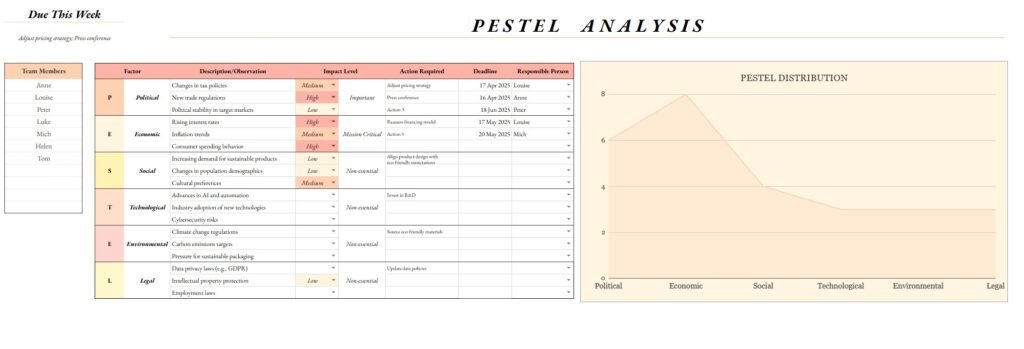
This high-level tool lets you explore six key external factors:
Political, Economic, Social, Technological, Environmental, and Legal.
Understanding these gives you a broader view of the playing field. You’ll spot challenges before they arise, and sometimes discover opportunities you never saw coming.
Better yet, it shows you where you might need expert help—so you can partner smart, right from the start.
Brand Identity: Your Business Needs a Soul
What’s a business plan without a mission, vision, and a clear brand introduction?
These aren’t just fluff. They are the core of your identity. Your “why.” Your purpose.
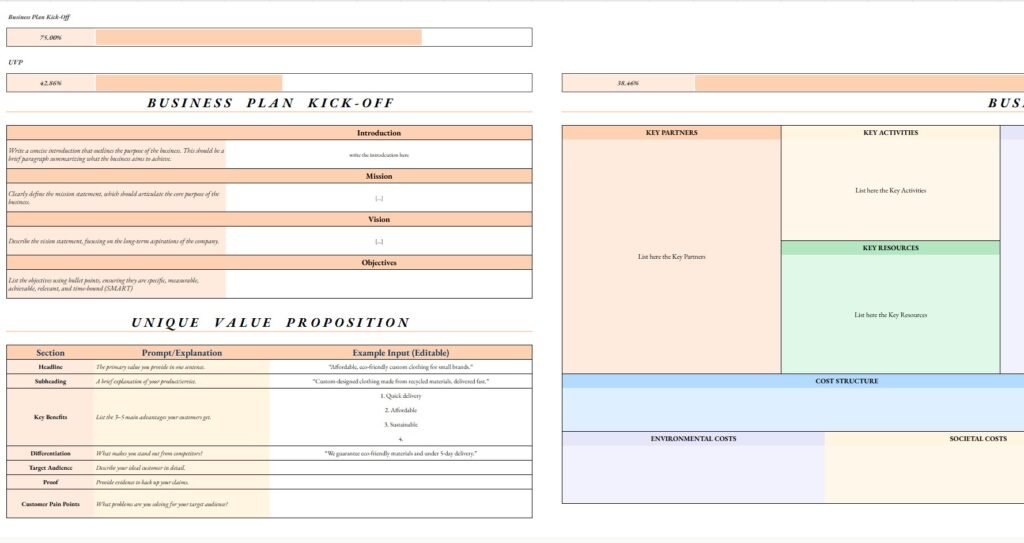
And at this stage? You don’t need to overthink it.
5 to 10 minutes is all it takes to define this first version of your brand story.
But then comes your
Unique Value Proposition
and this is where the magic happens.
Ask yourself: Why me? Why not my competitor?
What’s unforgettable about the way I do what I do?
Lean into emotions. Make people feel something. That’s where the connection begins.
Customer Insight: Know Who You’re Talking To
Before you think about how to sell, you need to know who you’re selling to.
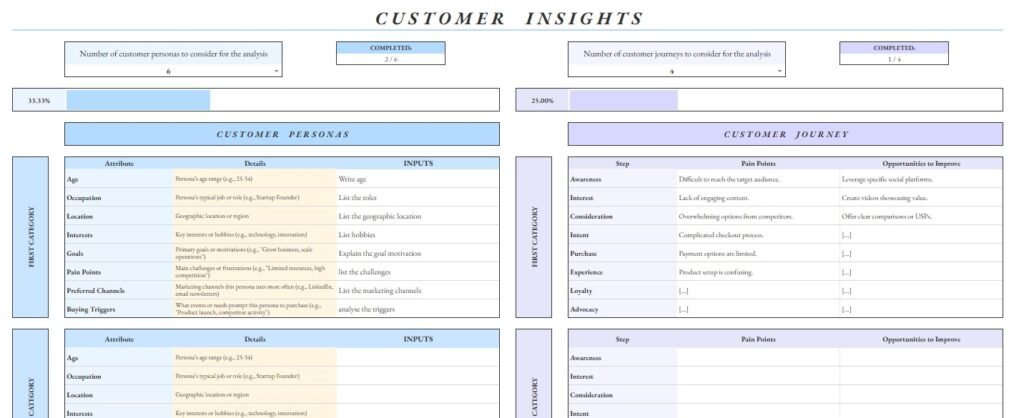
There are two tools I swear by:
Customer Personas
Think of these as ID cards for your different customer segments.
Who are they? What do they love? Why do they buy? How do they want it?
You need to speak to their gut—not their logic. That means real conversations. Interviews, mockups, test pitches, even casual chats at family dinners. Every data point helps.
Customer Journey
Keep it simple:
- How do they find you?
- What happens next?
- What gets them to click buy?
Answer those, and you’ve got a roadmap to conversion.
Market Analysis: Understand Your Playing Field
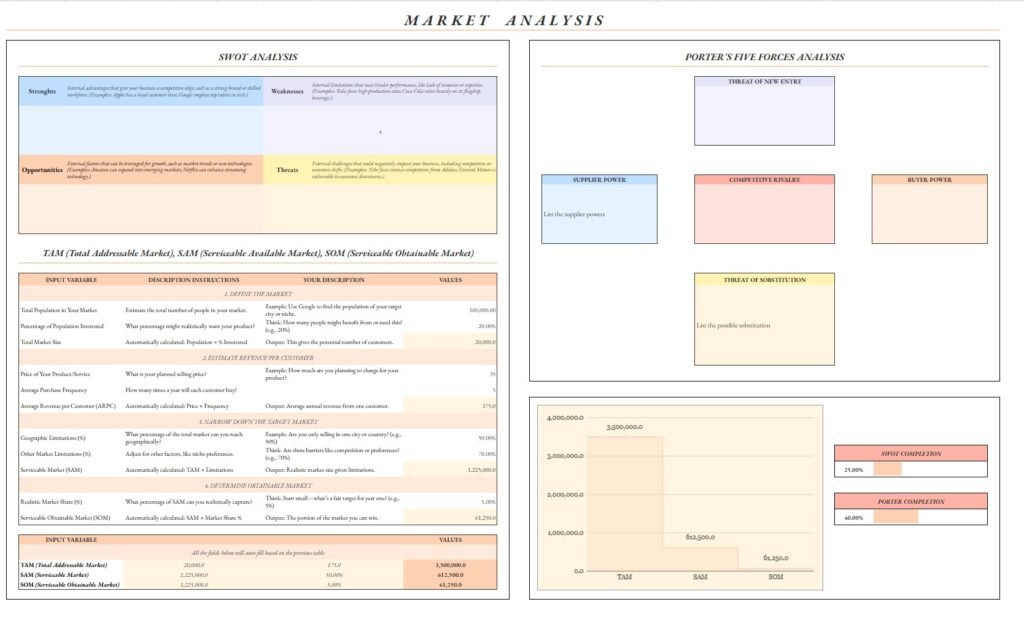
This section includes some powerful tools, each one unlocking a layer of insight.
I’ve written an article where I go into even more detail about market research. I recommend taking a look!
How to Do Market Research: The 4 Steps to Grow Your Business
SWOT Analysis
Quick, clear, and surprisingly deep.
- Strengths and Weaknesses: internal reality check
- Opportunities and Threats: what’s happening out there in the market?
Porter’s 5 Forces
Think of this as SWOT’s smarter cousin. It asks tough questions about your competitors, your customers’ power, market barriers, and more.
I always use it alongside SWOT, it gives extra clarity.
TAM, SAM, SOM
Here’s where math meets strategy.
This helps you define:
- The total market out there (TAM)
- The segment you’re targeting (SAM)
- And the realistic share you can win (SOM)
Super valuable if you’re prepping for investor talks, or just deciding how much budget to throw into ads.
The Google Sheets template I use automates all these numbers no formulas needed! –> Business Plan Template
Social Media Content Calendar: Plan to Go Viral
In 2025, your online presence is your storefront.
Want to launch fast? Build a simple, focused content calendar.
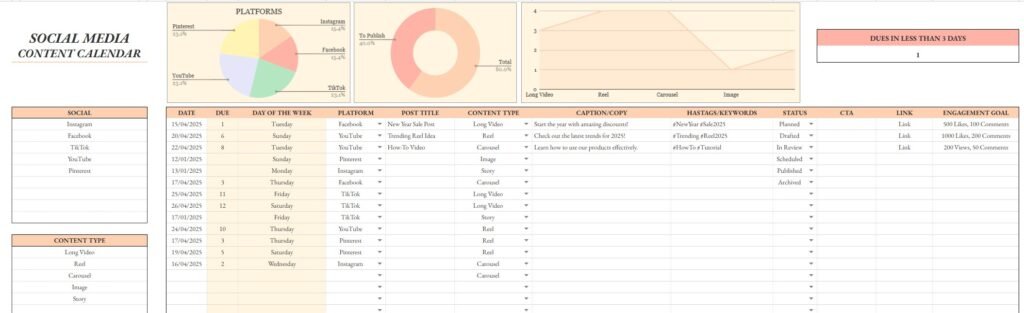
Forget complicated tools. Just outline:
- What to post
- Where to post
- When to post it
And go.
Seriously, this alone can skyrocket your business in weeks.
I wrote a full guide on tools + strategies to become a digital marketing machine, check it out!
👉 Digital Marketing Guide for Small Business
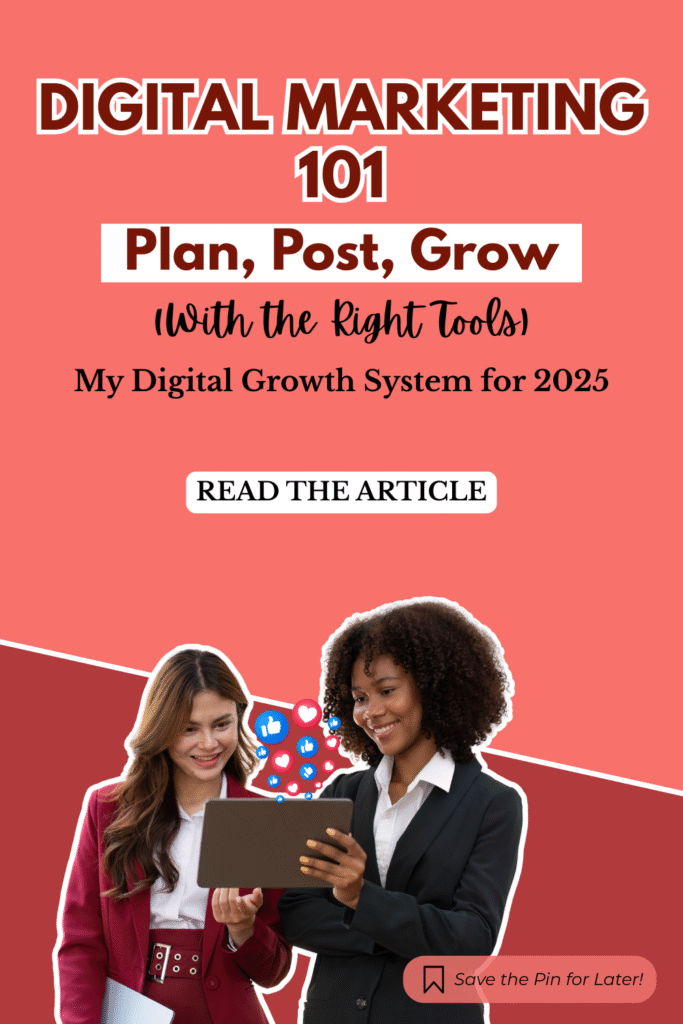
(BTW, every single template I’ve shown you so far? It’s part of this business planner on Etsy. It’s been a total game-changer for me.)
Competition Analysis: Know Who You’re Up Against
This is where things get real.
A data-driven competitor analysis can literally save your business idea before you waste time or money.
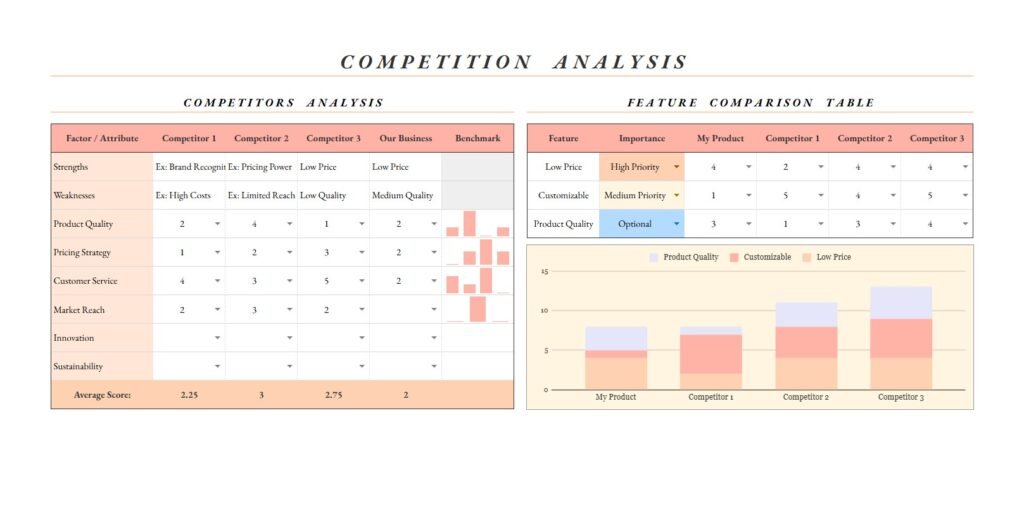
Rate competitors on:
- Strengths
- Weaknesses
- Features
- Product quality
Assign scores. Compare.
You’ll immediately see who to beat and how to win.
Bookkeeping: Budget Like a Boss
Let’s be honest, numbers aren’t the fun part. But if you’re starting lean, you must track your budget from day one.
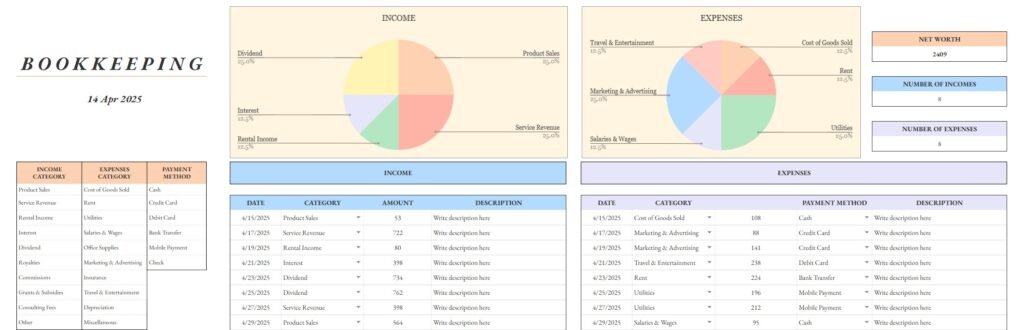
Build two simple tables:
- Income
- Expenses
Keep categories clean, not too detailed.
You want structure, not chaos, because easy budget = happy entrepreneur
This one habit can completely change how you manage money and protect your future business self from major headaches.
Ready to Start?
As I was saying earlier, all the images you saw in this article are taken from this business plan template on Etsy.
You can choose to go with this ready-made option or challenge yourself by creating your own template from scratch. What really matters is that you do this kind of analysis!
Too many projects have untapped potential, and I’d really hate for yours (yes, yours, reading this right now) to be one of them. I’m confident you’ll be able to apply each of the steps I’ve shared here.
Let me know in the comments if you went with the template I use myself or if you’re building your own from the ground up. And more importantly, tell me: which part do you absolutely hate filling out? I vote for the customer persona, what about you? 😅
All jokes aside, I truly hope you found this article helpful. I had so much fun writing it.
I studied business strategy (it was the focus of my thesis in Japan) and it’s something I deal with every day in my work. It’s what I love doing, and I hope that passion came through.
Thanks for reading all the way to the end.
If you haven’t already, you can follow me on Pinterest to stay up to date, and you can share this article using the social buttons at the top or bottom of the page, it’s a great way to support my passion and this blog.
As always, sending you a big hug!
Michele
P.S. You’ve got the steps, now let’s make your planning even easier. I’ve put together my free ChatGPT Business Plan Prompts (the same ones I use with clients) so you can build your plan faster and with more clarity.