
Looking for a simple, proven project management process that actually works?
Whether you’re running a solo small business, managing a team, or launching your first side project, this checklist covers the 6 key steps that help you plan, execute, and deliver with confidence.

I’m Michele, a Management Engineer who’s worked across Italy, Germany, and Japan, and I created this blog to share tools and ideas that help projects (and people) grow.
Whether you’re managing a solo business or coordinating a team, clarity and consistency are what separate projects that flow from projects that fail.
I still remember a moment from my time in Japan, working alongside a senior project manager at a consulting firm.
Before every kickoff, he would pause the team and say:
“Plans are nothing; planning is everything.” – Dwight D. Eisenhower
At first, I thought it was just a good quote. But over time, I saw what he meant: success comes from thinking through the process, not just writing down tasks.
This checklist is exactly that: a process to help you organize, align, and move forward with intention.
Let’s dive in.
1. Set Clear Goals (So Everyone Knows What Success Looks Like)
Start with why. What’s the purpose of this project?
Have you ever heard the SMART framework? Specific, Measurable, Achievable, Relevant, Time-based.
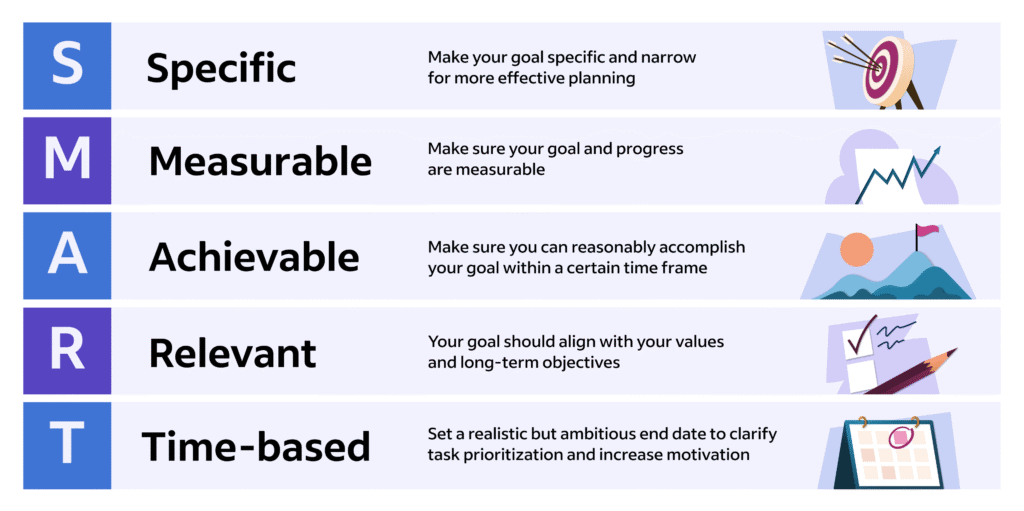
If the goal is vague, the result will be too.
2. Identify Key Stakeholders
Who are the decision-makers? Who’s impacted?
But first things first: who are your stakeholders?
Stakeholders are anyone affected by your project or who has an interest in how it turns out. They can help you move forward or slow you down if not aligned.
Even for a solo entrepreneur, they’re there: your customers, a freelancer you hire, a mentor giving feedback and of course, you.
Example:
If your side hustle is launching a handmade product on Etsy, your stakeholders might include your buyers, the supplier providing your materials, a friend helping with product photos, and yourself investing time and resources.
By the way, if you’ve got the right mindset but feel overwhelmed by how much there is to learn (solopreneurship can feel like too much, I know), I wrote an article that’s perfect for you.
You can find it HERE

It’s a collection of life-changing books that helped me when I was starting out. From launching projects to mindset and personal finance, these reads gave me a real boost when I needed it most.
Knowing who’s involved helps you stay clear, connected, and on track.
Engage them early. Set expectations. Clarify roles.
Tip: Stakeholders that feel heard are more likely to support you when things get tough.
3. Develop a Realistic Timeline (and how to do that)
Break down your project into phases and milestones.
Gantt charts (my all-time favourite) and Kanban boards are two of the most effective tools for visualizing project progress.
Whenever I begin a new project management task in my job as a consultant, I always set up an interactive Gantt chart.
I review and update it every morning, just five minutes a day is enough, but it makes all the difference in the world for your small business.
Don’t forget buffer time, projects rarely go 100% as planned.
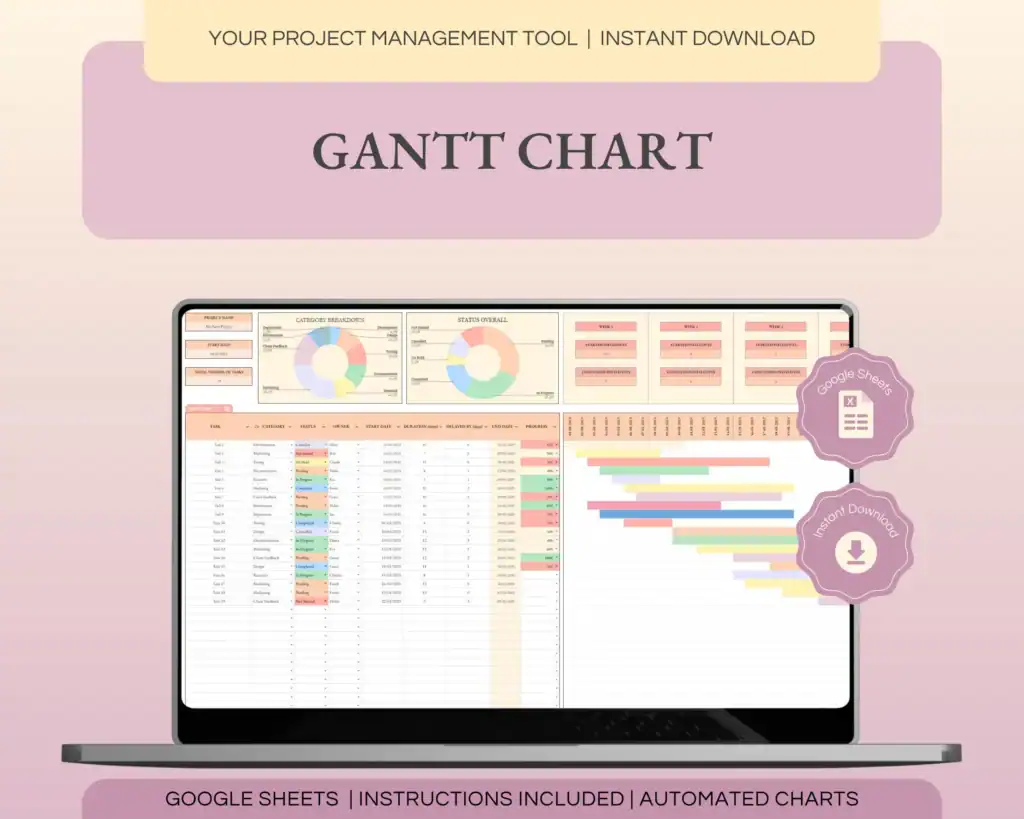
(I personally use the one you’ll find here)
4. Assign Roles and Responsibilities
I once worked on a business continuity and disaster recovery plan for a major pharmaceutical company, and the Queen of project management tools, the RACI matrix, was the starting point for everything.
It allowed us to clarify responsibilities across IT, production, compliance, and senior leadership before any task was even assigned.
I’ll share more about that experience in an upcoming post.
Clarity eliminates confusion. And when it comes to defining roles, few tools are more effective than the RACI matrix. It helps you identify:
- Who is Responsible
- Who is Accountable
- Who should be Consulted
- Who must be Informed
When people understand exactly what is expected of them, execution becomes clearer, faster, and more reliable.
5. Set a Communication Plan
If you’re working with a team, communication isn’t optional
It’s critical
And the larger your team, the more important it becomes to set clear expectations.
Ask yourself: What will you communicate, how often, and through which channel?
Think in rhythms: status updates, blockers, and small wins all deserve a place in the flow.
Because when it comes to project success, overcommunication is always better than silence.
6. Create a Risk Management Strategy
If you’re just getting started and your project is still small, this part can wait a little.
But if you’re already running a business, don’t underestimate it.
Every project carries risks. The best project managers don’t just react
They anticipate
During my researches I found this video made by a creator, I recommend it
Create a simple risk register. List potential issues, evaluate their likelihood and impact, and assign clear contingency actions.
Because a risk that isn’t discussed is a risk that’s multiplied.
One Last Thing Before You Go
Have you ever had to manage a project or are you planning to start one soon?
If so, I hope this checklist helps you move forward with a little more clarity and confidence.
In this blog i support everyone that is trying to make the difference, all my blog are about this. If you are just getting started, you want to start building your side hustle or you want to develop new skills, i recommend this article: 20 Easy Side Hustles to Start From Home (No Experience Needed)
And whatever you’re working on right now, good luck with your project.
Rooting for your success.
If you found this helpful, follow me on Pinterest, I post updates whenever a new article goes live. And feel free to share this using the social buttons below or at the top of the article (this helps me a lot)!
A Hug,
Michele